The Australian sunscreen scandal: Is your sunscreen's SPF real?
A recent BBC report has revealed that several sunscreens sold in Australia did not offer the SPF (Sun Protection Factor) level indicated on their packaging. This news has caused alarm, as many consumers believed they were being protected with an SPF 50 or SPF 30 sunscreen , but in reality, they were receiving less protection than promised.
In this article, we explain what happened, the risks involved, and how Homo Naturals guarantees the transparency and effectiveness of our natural sunscreens thanks to in vivo studies conducted by independent laboratories.
1. What has the Australian scandal revealed?
According to the BBC, various tests showed that several well-known Australian sunscreen brands offered a lower level of protection than the label indicated. This means that many users, who relied on an SPF 50 sunscreen , were actually using a product with a much lower SPF.
The consequences are not minor: in Australia, where skin cancer rates are among the highest in the world, this has led to people who thought they were protected developing serious skin lesions, including melanomas.
2. Why does this damage consumer confidence?
Sunscreen isn't just another cosmetic: it's a health product. If the actual SPF is lower than advertised, the consumer is given a false sense of security that can lead to:
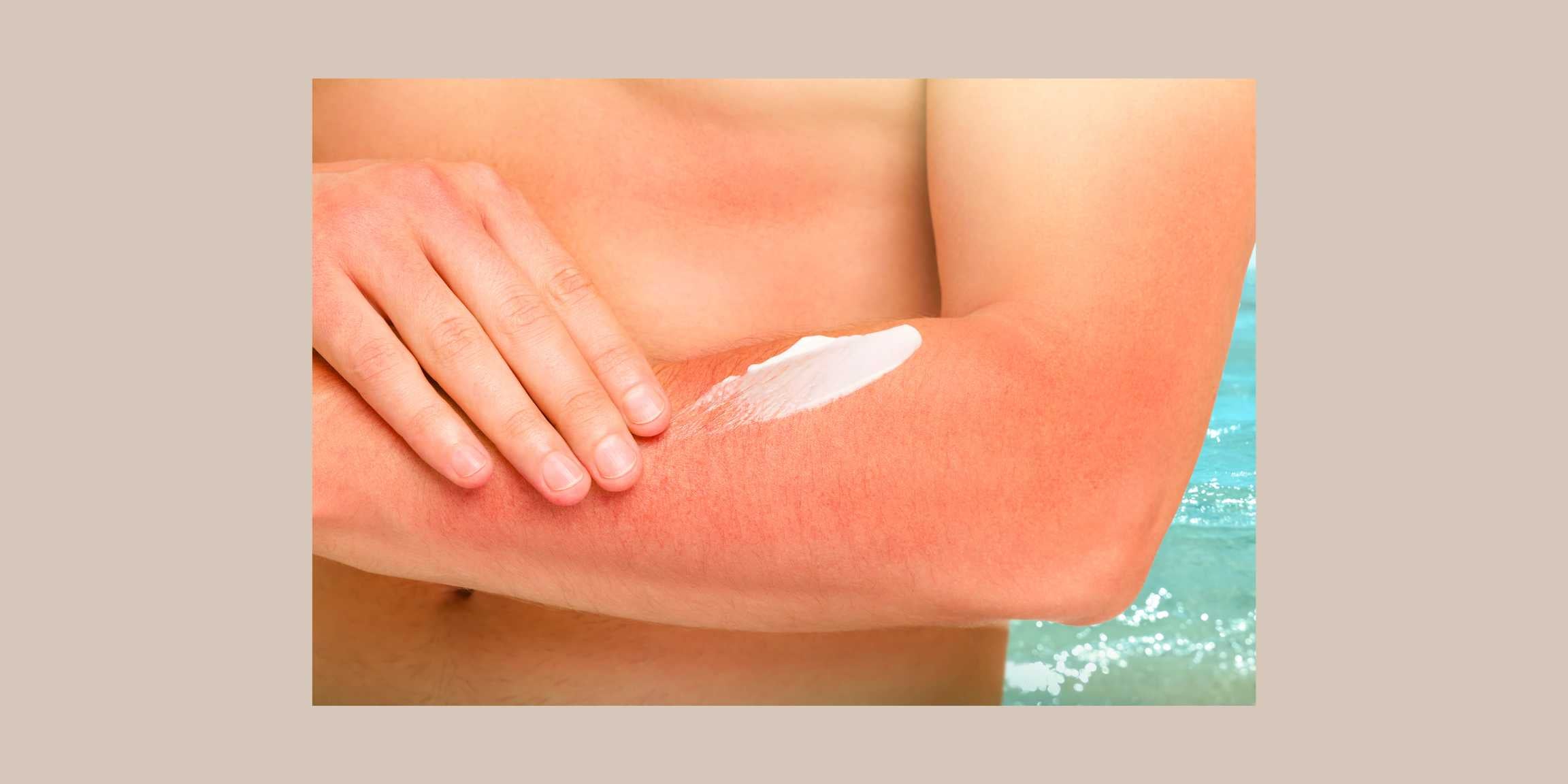
Sunburn.
Spots and photoaging.
Increased risk of skin cancer.
This scandal highlights the importance of demanding transparency from brands and choosing sunscreen for face or body that has been tested and verified.
3. What do experts and regulators say?
In Europe, regulations require that SPF values be determined through in vivo testing on human volunteers, following strict dermatological protocols. Furthermore, laboratories must be independent, ensuring impartiality in the results.
In Australia, following the scandal, authorities have launched investigations to recall non-compliant products and sanction the responsible brands.
4. Risks of a lower SPF than advertised
When a spray or cream sunscreen claims SPF 50, but offers much less:
The user believes they can expose themselves longer without reapplying.
The risk of sun damage increases exponentially.
In the long term, the accumulation of damage increases the risk of skin cancer.
5. How we at Homo Naturals guarantee the reliability of our protectors
At Homo Naturals we follow a clear principle: total transparency.
All our sunscreens undergo in vivo testing in independent laboratories, in accordance with European regulations.
Spray sunscreen : ideal for face and body, quick and convenient.
Sunscreen stick : practical for face, lips and specific areas.
A biodegradable sunscreen stick , it is also ideal for taking care of the environment.
7. Practical usage tips
Apply 15 minutes before sun exposure.
Use the appropriate amount (2 mg/cm² of skin).
Reapply every 2 hours, and always after bathing or sweating.
Don't rely on a high SPF alone: combine it with shade, clothing, and sunglasses.
Conclusion
The Australian case demonstrates that not all brands deliver what they promise. At Homo Naturals, we've decided to go one step further: we're making the results of our studies public so you can rest assured that your skin is truly protected.
👉 Discover our natural sunscreens and is committed to real transparency.
Frequently Asked Questions
What is an in vivo SPF study? It is a test performed on volunteers under controlled conditions to measure the actual protection factor of a sunscreen.
What is the difference between SPF 30 and SPF 50? SPF 50 blocks approximately 98% of UVB radiation, while SPF 30 blocks 97%. The main difference is the additional protection time.
Does a natural sunscreen protect as well as a chemical one? Yes, as long as it is formulated correctly and validated by independent testing.
Discover the most effective shock treatment for skin recovery after a sunburn. Learn how to care for your face and body with facial cleanser, serum, anti-aging cream, and body cream for men, a...
When choosing a sunscreen, most people look at the SPF first.
SPF30, SPF50, SPF50+...
SPF matters. But it is not the only factor that should guide your choice. The type of sunscreen filter, the ...




Leave a comment
This site is protected by hCaptcha and the hCaptcha Privacy Policy and Terms of Service apply.