
Emulsifiers in Natural Skincare: What They Are and Why They Matter for Men’s Skin
Quick answer
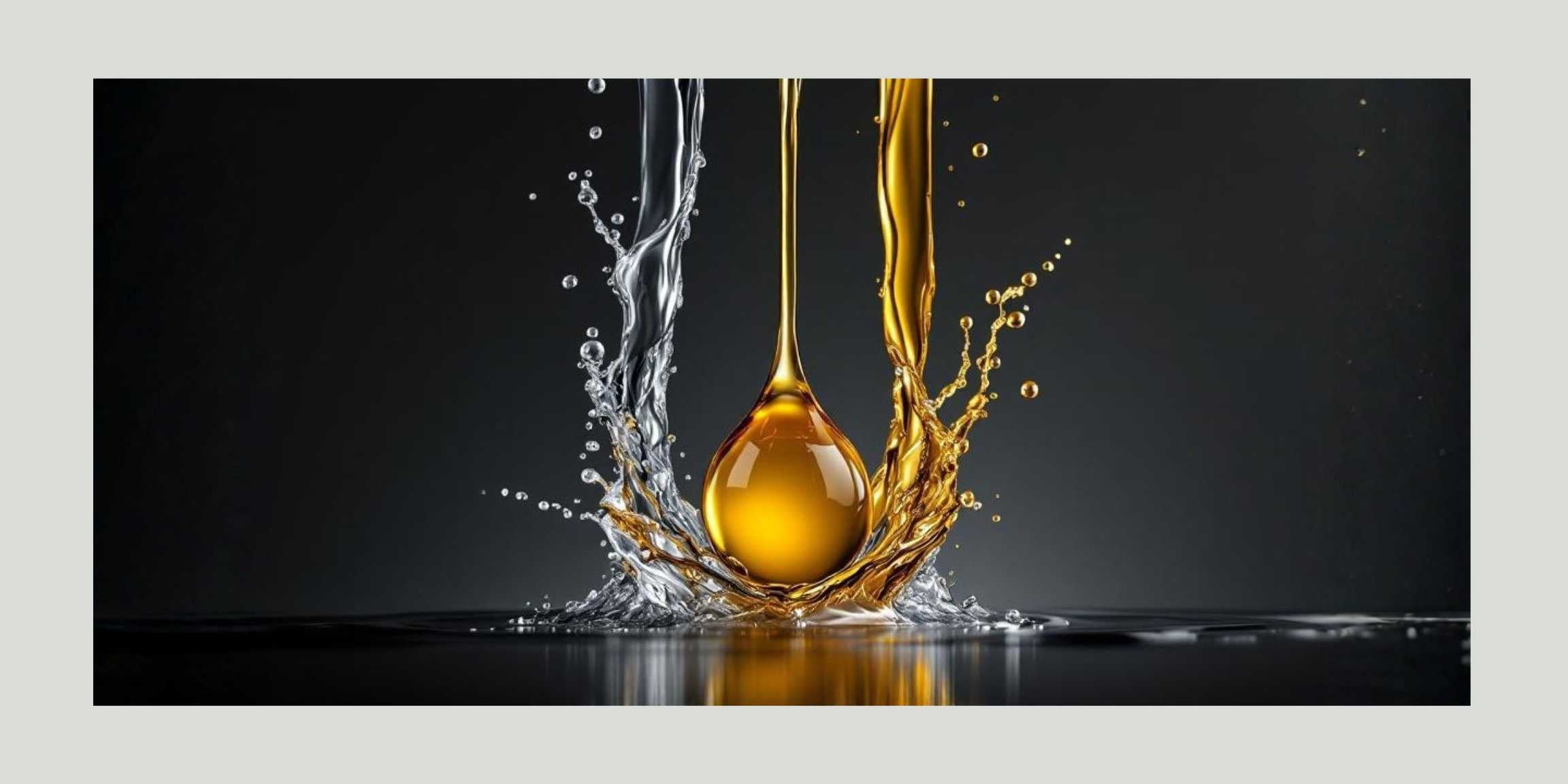
An emulsifier in skincare is the ingredient that allows water (the aqueous phase) and oil (the oil phase) to blend and remain stable in a cream or lotion. In natural skincare, it’s best to avoid ethoxylated emulsifiers (for example, PEG-, Ceteareth-, Laureth- or Polysorbate-) and prioritise plant-based alternatives such as glucosides (sugar-derived ingredients), commonly used in coherent natural skincare for men formulations.
Key points (in 20 seconds)
- Water + oil don’t mix naturally: the emulsifier binds them together.
- Ethoxylated ingredients are often identified by PEG- or endings like -eth (e.g., Ceteareth, Laureth) and Polysorbate.
- Glucosides are plant-derived emulsifiers (e.g., Coco Glucoside, Decyl Glucoside, Cetearyl Glucoside) aligned with organic skincare.
- In a men’s moisturizer or an anti-ageing cream for men, the emulsifier affects texture, skin feel and formula stability.
How to identify ethoxylated emulsifiers (quick INCI checklist)
Look for any of these patterns in the ingredient list (INCI):
- PEG- (for example: PEG-100 Stearate)
- Ceteareth- (for example: Ceteareth-20)
- Laureth- (for example: Sodium Laureth Sulfate / Laureth-*)
- Polysorbate- (for example: Polysorbate 20 / 60 / 80)
- Common -eth endings associated with ethoxylation
Note: just because an ingredient is legal or widely used doesn’t automatically make it “truly natural”. Real coherence lies in the formula base, not only in the hero active ingredient.
In this complete guide to emulsifiers in natural skincare for men, we explain what they are, how to spot them and why they directly impact the quality of facial care for men and overall care for men’s skin.
Index
- Introduction
- What is an emulsifier in skincare?
- Water and oil: the foundation of every formula
- What are ethoxylated emulsifiers?
- How to identify them in the INCI
- The alternative: sugar-derived glucosides
- What this means for men’s skin
- Real natural skincare vs green marketing
- Conclusion
- FAQ
- About us
Introduction
When you choose a natural skincare product, you usually focus on the actives: hyaluronic acid, bakuchiol, botanical extracts…
But there’s one technical ingredient that rarely gets discussed and is essential in any men’s moisturizer or anti-ageing cream for men: the emulsifier.
Understanding what it is — and how it’s chosen — is what separates truly organic skincare from “green” marketing.
What is an emulsifier in skincare?
Most facial care for men products combine two phases:
- Aqueous phase (water, hydrosols, aloe vera)
- Oil phase (plant oils, butters, lipids)
The issue is physical: water and oil don’t mix by themselves. An emulsifier is the ingredient that binds both phases, creating a stable, uniform texture that feels pleasant on the skin.
Without emulsifiers, many common textures in men’s skincare wouldn’t exist. The real difference lies in which type of emulsifier is used.
Water and oil: the foundation of every formula
In both conventional skincare and natural skincare for men, the basic structure of a cream is typically an emulsion: water + oil + emulsifier.
Quality isn’t only about the “hero active”. It also depends on the coherence of the base: how phases are combined, which surfactants and emulsifiers are used and how stability is achieved without shortcuts.
What are ethoxylated emulsifiers?
Many conventional products — and even some brands that present themselves as “natural” — use ethoxylated emulsifiers.
They are obtained through a chemical process called ethoxylation. They’re legal and very common, but they don’t align with a coherent natural skincare philosophy because they come from synthesis and industrial processing that doesn’t match a truly “clean” plant-based approach.
This matters: a product can highlight botanical extracts in its marketing… while still relying on ethoxylated emulsifiers for its texture. That’s where “green” positioning often becomes superficial.

How to identify them in the INCI
If you want to quickly spot possible ethoxylated emulsifiers in an INCI, look for:
- PEG-
- Ceteareth-
- Laureth-
- Polysorbate-
- Common -eth endings
This isn’t about fear — it’s about reading labels with real criteria and understanding what’s in the foundation of the formula.
The alternative: sugar-derived glucosides
At Homo Naturals, we use plant-derived emulsifiers known as glucosides, derived from sugars and combined with plant oils.
In the INCI list, you’ll recognise them as:
- Decyl Glucoside
- Coco Glucoside
- Cetearyl Glucoside
They are consistent with organic skincare and with natural skincare for men formulated with real expertise: they deliver stability and sensoriality without relying on “green” marketing shortcuts.

What this means for men’s skin
Men’s skin is often denser and, in many cases, produces more sebum. Shaving can also lead to sensitivity or dehydration.
That’s why, in facial care for men, the emulsifier influences:
- Texture (lightweight, nourishing, “cream-like” or more fluid)
- Absorption (faster and more comfortable on combination or oily skin)
- Skin feel (more matte vs more comforting finish)
- Stability and consistent performance over time
In other words: a great men’s moisturizer or anti-ageing cream for men isn’t only about actives. It’s also about the architecture of the formula.
Real natural skincare vs green marketing
Today, it’s common to see:
- A botanical active heavily highlighted on the front label
- “Eco” packaging or “clean” messaging
- Communication driven by trends
But coherence is proven in what you don’t immediately see: the full formula base.
A brand that chooses glucosides over ethoxylated emulsifiers shows technical knowledge, real commitment and respect for the customer. This matters in men’s skincare, where we want functional, comfortable and honest textures that truly support men’s skin care.

Conclusion
Next time you choose a natural skincare product, don’t focus only on the hero active. Check the base as well.
Emulsifiers are essential in any cream, and knowing how to recognise them helps you choose better — with criteria, transparency and coherence.
Taking care of men’s skin isn’t just applying a cream. It’s choosing formulas that are honest, effective and aligned with what they promise.
Frequently asked questions about emulsifiers in skincare
What is an emulsifier in skincare?
An emulsifier is the ingredient that allows water (aqueous phase) and oil (oil phase) to blend and remain stable in an emulsion, such as a men's moisturizer or a body cream.
Why are emulsifiers used in natural skincare?
Because most formulas combine water-based and oil-based ingredients. Without an emulsifier, the texture separates and the product loses stability, sensoriality and application consistency.
How can I identify ethoxylated emulsifiers in the INCI?
Look for patterns such as PEG-, Ceteareth-, Laureth-, Polysorbate- and, often, -eth endings associated with ethoxylation processes.
Are ethoxylated emulsifiers “bad”?
This isn’t about alarmism: these ingredients are legal and commonly used. However, in formulas that aim to be natural skincare or organic skincare, many brands choose to avoid them for coherence with a plant-based foundation and processes more aligned with natural standards.
Which emulsifiers are more aligned with natural skincare?
Glucosides (sugar-derived ingredients), such as Coco Glucoside, Decyl Glucoside or Cetearyl Glucoside, are commonly used plant-based alternatives in natural skincare formulations.
What’s the connection between emulsifiers and men’s skincare?
In facial care for men, the emulsifier impacts texture, absorption speed and the final feel on skin. It’s key for a men’s moisturizer or an anti-ageing cream for men to feel comfortable and remain stable.
Can a product be “natural” if it contains PEG or Ceteareth?
It may be marketed as “natural”, but from a technical standpoint, the coherence of truly natural skincare is assessed by the whole formula base, not only one or two highlighted actives.
What should I check first when choosing natural skincare for men?
Beyond actives, check the INCI: identify whether the base uses more plant-aligned emulsifiers (such as glucosides), and choose textures that match your skin type for a sustainable and effective men’s skincare routine.
If glucosides are derived from sugar, is that negative for the skin?
No. In natural skincare, glucosides are not “sugar” in the nutritional sense. They are molecules obtained from plant-derived glucose combined with natural fatty alcohols.
The final ingredient acts as a mild, stable emulsifier. It does not behave like dietary sugar on the skin, does not alter skin metabolism and does not “feed” bacteria.
In formulation terms, glucosides are considered aligned with green chemistry and plant-based skincare principles.
About us
At Homo Naturals, we develop natural skincare for men formulated specifically for men’s skin care.
We create complete routines for men with:
- Light textures that absorb quickly
- High-performance plant-derived actives
- Formulas with no shortcuts or technical inconsistencies
Discover our men’s moisturizer and our range of natural skincare formulated for men’s skin — and elevate your daily routine with honest, effective and truly natural products.


Leave a comment
This site is protected by hCaptcha and the hCaptcha Privacy Policy and Terms of Service apply.