 Detox Cleansing + Smooth Shaving 2-in-1
 Facial Scrub
 Revitalising Spray + After Shave 2-in-1
 Anti-Aging Gel / Cream
 Dark Spots + Anti-Aging Serum
 Triple Function Anti-Aging Serum
 Roll-on Eye Cream
 Tinted Eye Cream + Skin Perfector 2-in-1
 Sunscreen Spray
 Biodegradable Sunscreen
 Daily Men's Skincare Routine
 4-Step Routine
 Anti-Aging Kit 365
 Facial Cleanser + Moisturizer
 Moisturizer + Eye Cream
 Anti-Aging Serum Kit
 Anti-aging Gel or Cream + Sunscreen
 Shaving kit for men
 Scrub + Men's Moisturizer
 Skin Recovery Serum + Anti-Aging Gel/Cream
 Anti-Aging Serum + Anti-aging Cream
 Eye cream + Facial Corrector Kit
 Men's Moisturizer + Facial Corrector
 4-Step Routine + Anti-aging Serum
 4-Step Routine with Skin Perfector
 4-Step Routine + Sunscreen
 365 Sun Protection Kit
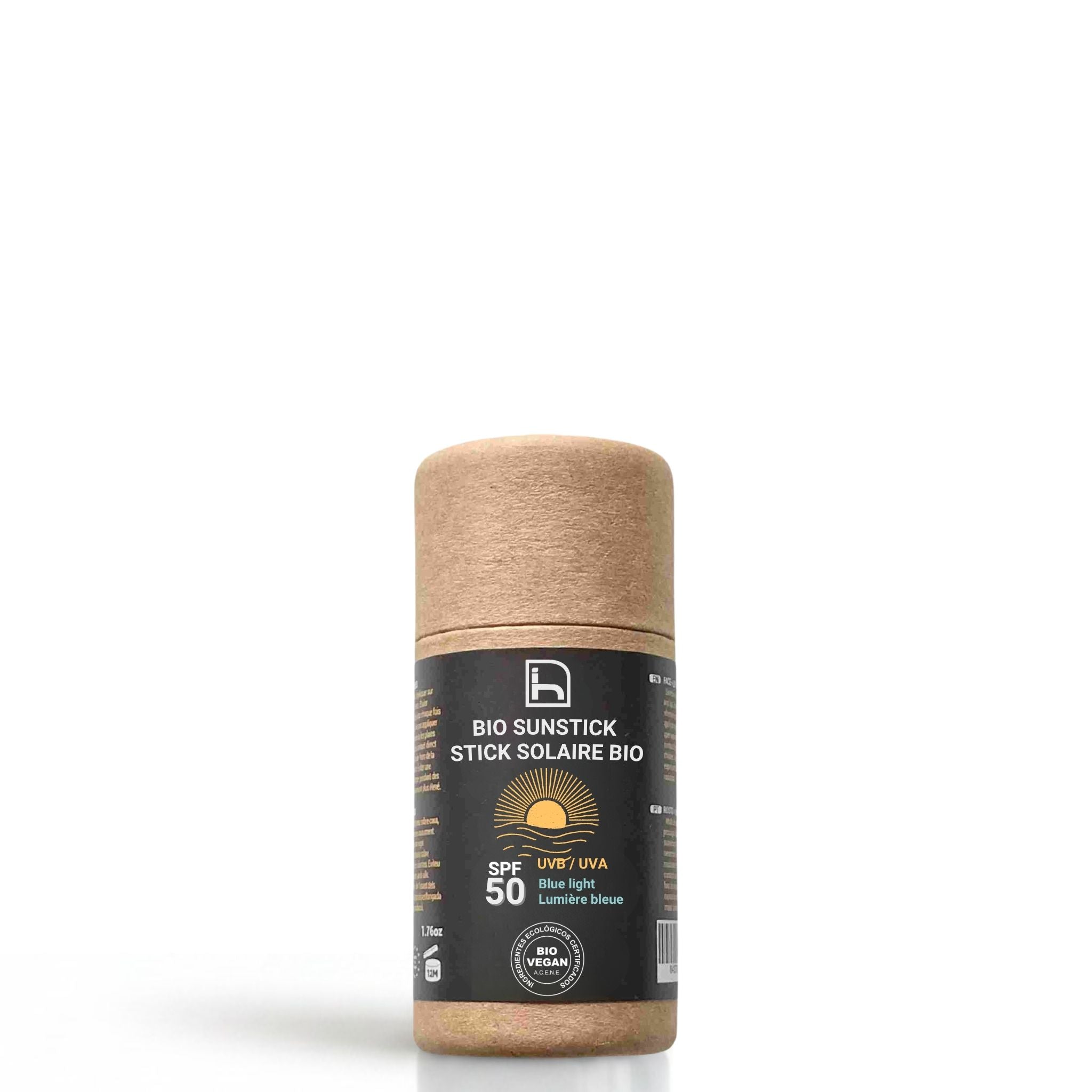
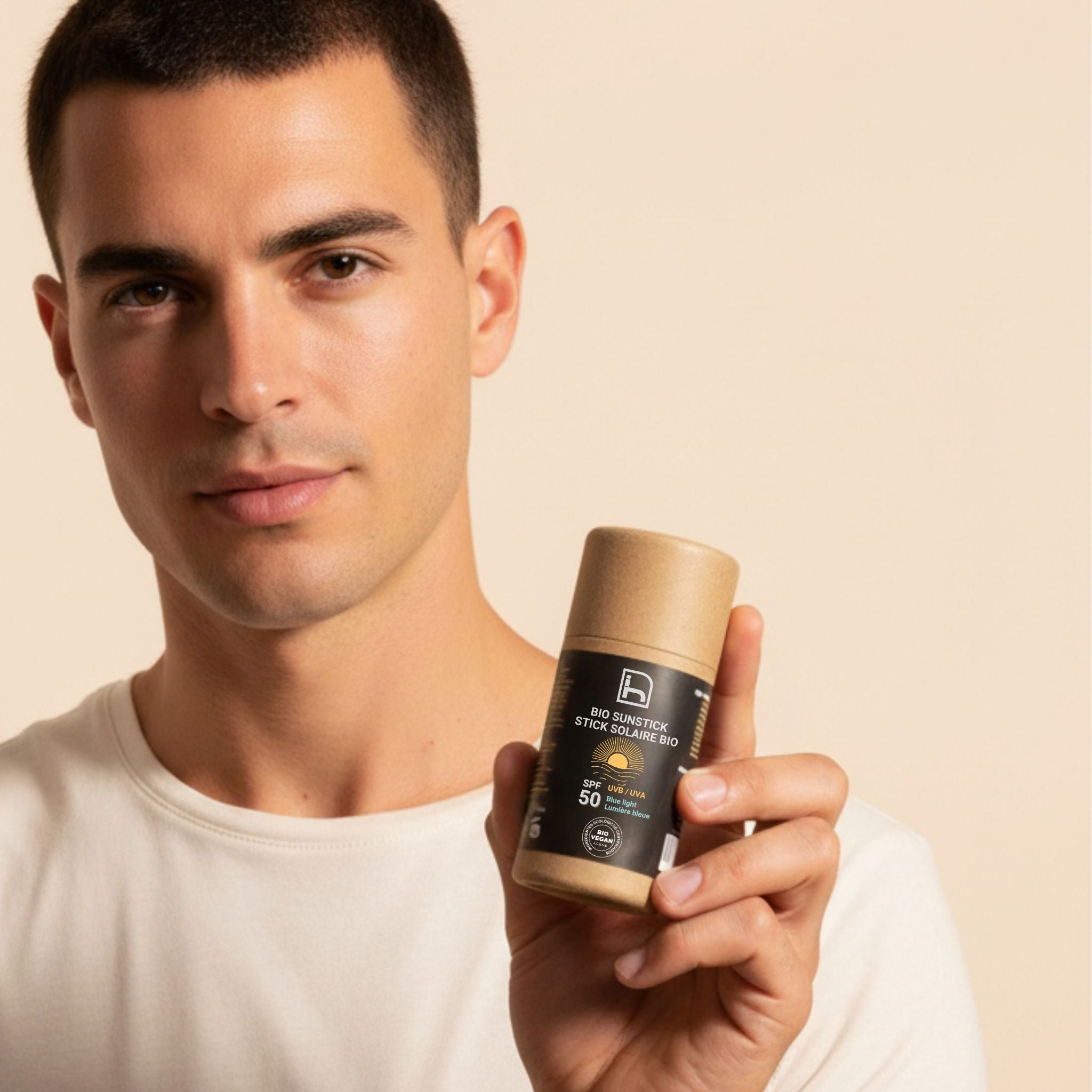
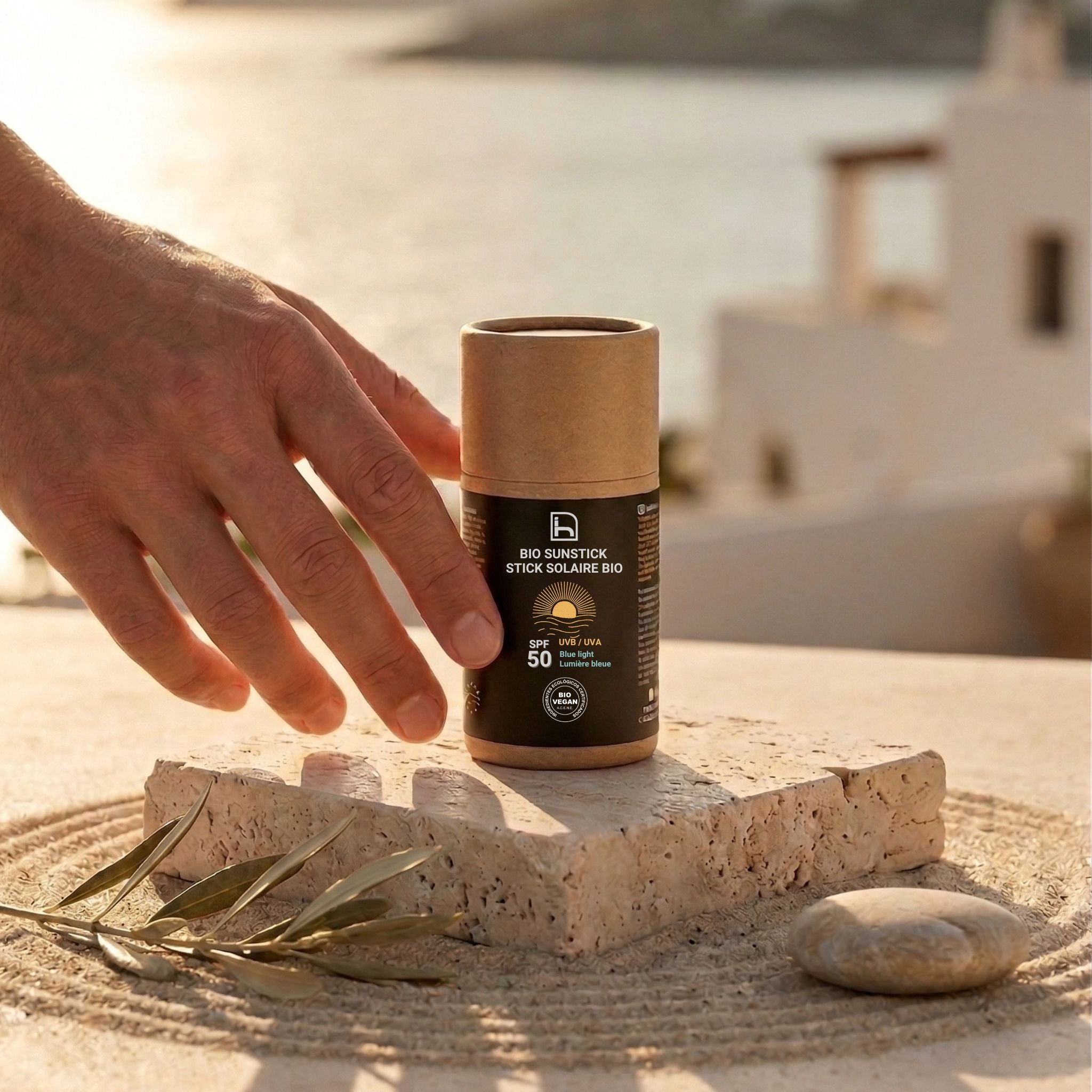
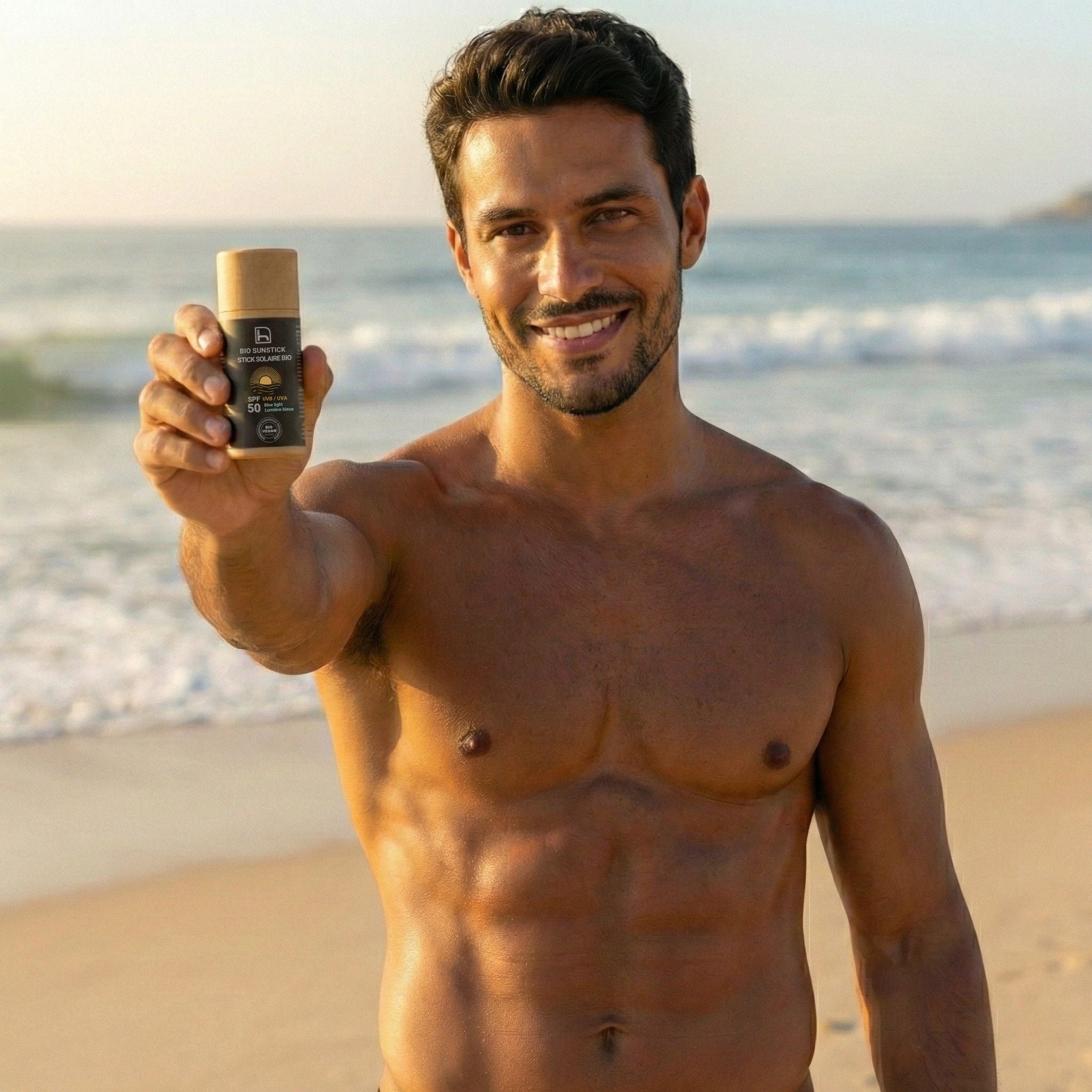
Biodegradable Sunscreen
High-performance sun protection in a premium biodegradable stick


Should a face cream include sun protection?
How do I apply a sunscreen stick correctly?
Why choose a biodegradable sunscreen?
How to choose the right biodegradable sunscreen
At Homo Naturals, we believe that trust is earned through facts. That's why we publish the results of in vivo studies of our sunscreens, conducted by an independent laboratory under European regulations.
| NaturaSun SPF 30 | Sunstick SPF 50 |
| Actual SPF: 31.5 | Actual SPF: 51.6 |
 |
 |
Estimated Shipping Widget will be displayed here!
ESPAÑA Y PORTUGAL
- Envío gratis en 2 - 3 días hábiles en pedidos a partir de 15 €.
Puedes escoger entrega en domicilio u oficina de Correos.
- Opción entrega garantizada 24 horas hábiles por 2,90 € en pedido a partir de 15 €, y por 7,80 € en pedidos inferiores (en pedidos hasta las 13:30 horas).
- Canarias, Ceuta y Melilla, envío gratis en pedidos a partir de 60 € con entrega en domicilio y en oficina de Correos.
RESTO DE EUROPA
ALBANIA
- Envío gratis en pedidos a partir de 4.000 ALL.
ALEMANIA
- Envío gratis en pedidos a partir de 30 €.
Puedes escoger entrega en domicilio o entrega en punto de retiro.
ANDORRA
- Envío gratis en pedidos a partir de 30 €.
AUSTRIA
- Envío gratis en pedidos a partir de 30 €.
Puedes escoger entrega en domicilio o entrega en punto de retiro.
BÉLGICA
- Envío gratis en pedidos a partir de 22 €.
Puedes escoger entrega en domicilio o entrega en punto de retiro.
BOSNIA HERZEGOVINA
- Envío gratis en pedidos a partir de 80 BAM.
BULGARIA
- Envío gratis en pedidos a partir de 80 BGN.
CHEQUIA
- Envío gratis en pedidos a partir de 1.000 CZK.
CHIPRE
- Envío gratis en pedidos a partir de 40 €.
CROACIA
- Envío gratis en pedidos a partir de 30 €.
Puedes escoger entrega en domicilio o entrega en punto de retiro.
DINAMARCA
- Envío gratis en pedidos a partir de 300 DKK.
ESLOVAQUIA
- Envío gratis en pedidos a partir de 30 €.
ESLOVENIA
- Envío gratis en pedidos a partir de 30 €.
ESTONIA
- Envío gratis en pedidos a partir de 30 €.
FINLANDIA
- Envío gratis en pedidos a partir de 30 €.
Puedes escoger entrega en domicilio o entrega en punto de retiro.
FRANCIA
- Envío gratis en pedidos a partir de 22 €.
Puedes escoger entrega en domicilio o entrega en punto de retiro.
GRECIA
- Envío gratis en pedidos a partir de 30 €.
GIBRALTAR
- Envío gratis en pedidos a partir de 30 GBP.
HUNGRÍA
- Envío gratis en pedidos a partir de 16.000 HUF.
IRLANDA
- Envío gratis en pedidos a partir de 30 €.
Puedes escoger entrega en domicilio o entrega en punto de retiro.
ITALIA
- Envío gratis en pedidos a partir de 30 €.
Puedes escoger entrega en domicilio o entrega en punto de retiro.
KOSOVO
- Envío gratis en pedidos a partir de 30 €.
LETONIA
- Envío gratis en pedidos a partir de 30 €.
LIECHTENSTEIN
- Envío gratis en pedidos a partir de 30 €.
LITUANIA
- Envío gratis en pedidos a partir de 30 €.
LUXEMBURGO
- Envío gratis en pedidos a partir de 30 €.
Puedes escoger entrega en domicilio o entrega en punto de retiro.
MACEDONIA
- Envío gratis en pedidos a partir de 2.500 MKD.
MALTA
- Envío gratis en pedidos a partir de 30 €.
Puedes escoger entrega en domicilio o entrega en punto de retiro.
MÓNACO
- Envío gratis en pedidos a partir de 30 €.
MONTENEGRO
- Envío gratis en pedidos a partir de 30 €.
NORUEGA
- Envío gratis en pedidos a partir de 500 NOK.
- PAÍSES BAJOS
Envío gratis en pedidos a partir de 30 €.
Puedes escoger entrega en domicilio o entrega en punto de retiro.
POLONIA
- Envío gratis en pedidos a partir de 200 PLN.
REINO UNIDO
- Envío gratis en pedidos a partir de 30 GBP.
RUMANÍA
- Envío gratis en pedidos a partir de 200 RON.
SAN MARINO
- Envío gratis en pedidos a partir de 30 €.
SERBIA
- Envío gratis en pedidos a partir de 5.000 RSD.
SUECIA
- Envío gratis en pedidos a partir de 450 SEK.
SUIZA
- Envío gratis en pedidos a partir de 40 CHF.
AMÉRICA
CANADÁ
- Envío gratis en pedidos a partir de 40 CAD.
ESTADOS UNIDOS
- Envío gratis en pedidos a partir de $49 y libre de aranceles a partir de $220.
Los pedidos inferiores a $220 deberán abonar aranceles y gastos de aduana a la entrega del producto.
MÉXICO
- Envío gratis en pedidos a partir de 790 MEX.
RESTO DE PAÍSES DEL CONTINENTE AMERICANO
- Envío gratis en pedidos a partir del equivalente de 60 euros.
La conversión a moneda local se realiza antes de finalizar el pago.
RESTO DEL MUNDO
- Envío gratis en pedidos a partir del equivalente de 60 euros.
La conversión a moneda local se realiza antes de finalizar el pago.
Homo Naturals es la primera marca de Cosmética Masculina 100% Natural.
La piel del hombre tiene necesidades específicas debido a su espesor, firmeza y grado de secreción sebácea además del sometimiento al afeitado.
Por eso los hombres necesitamos productos formulados específicamente para las necesidades de nuestra piel.
Nuestros productos están fabricados en España con extractos botánicos de la mejor calidad, aceites vegetales de presión en frío y aceites esenciales 100% puros.
Nuestro equipo de farmacéuticos se encarga de buscar los mejores ingredientes para la piel del hombre, y de formularlos para conseguir los mejores resultados.
No usamos ingredientes derivados del petróleo, ni sulfatos, ni alcohol, ni parabenos o cualquier otro conservante controvertido.
Tampoco usamos perfumes sintéticos en nuestras fórmulas, sino aceites esenciales que gracias a su aromaterapia aportan a nuestros productos sublimes y únicas fragancias.
Nuestras avanzadas fórmulas permiten una rápida absorción para la piel del hombre, así como una alta capacidad de penetración para conseguir mayor eficacia en menor tiempo.
Como no usamos derivados del petróleo, y usamos solo ingredientes con un alto nivel de principios activos, conseguimos potentes fórmulas con resultados excepcionales.
¿Tienes dudas sobre qué productos necesita tu tipo de piel? Contáctanos a través de nuestro WebChat o por WhatsApp al +34 722241850 y estaremos encantados de ayudarte 😉
Choose options
Estimated Shipping Widget will be displayed here!