Male Acne: Causes, Treatment and How to Improve Your Skin
Male acne is a skin condition caused by excess sebum, clogged pores and inflammation. It can appear during the teenage years or in adulthood, and it shows up as pimples, blackheads and shine. A proper routine helps balance the skin and reduce breakouts.
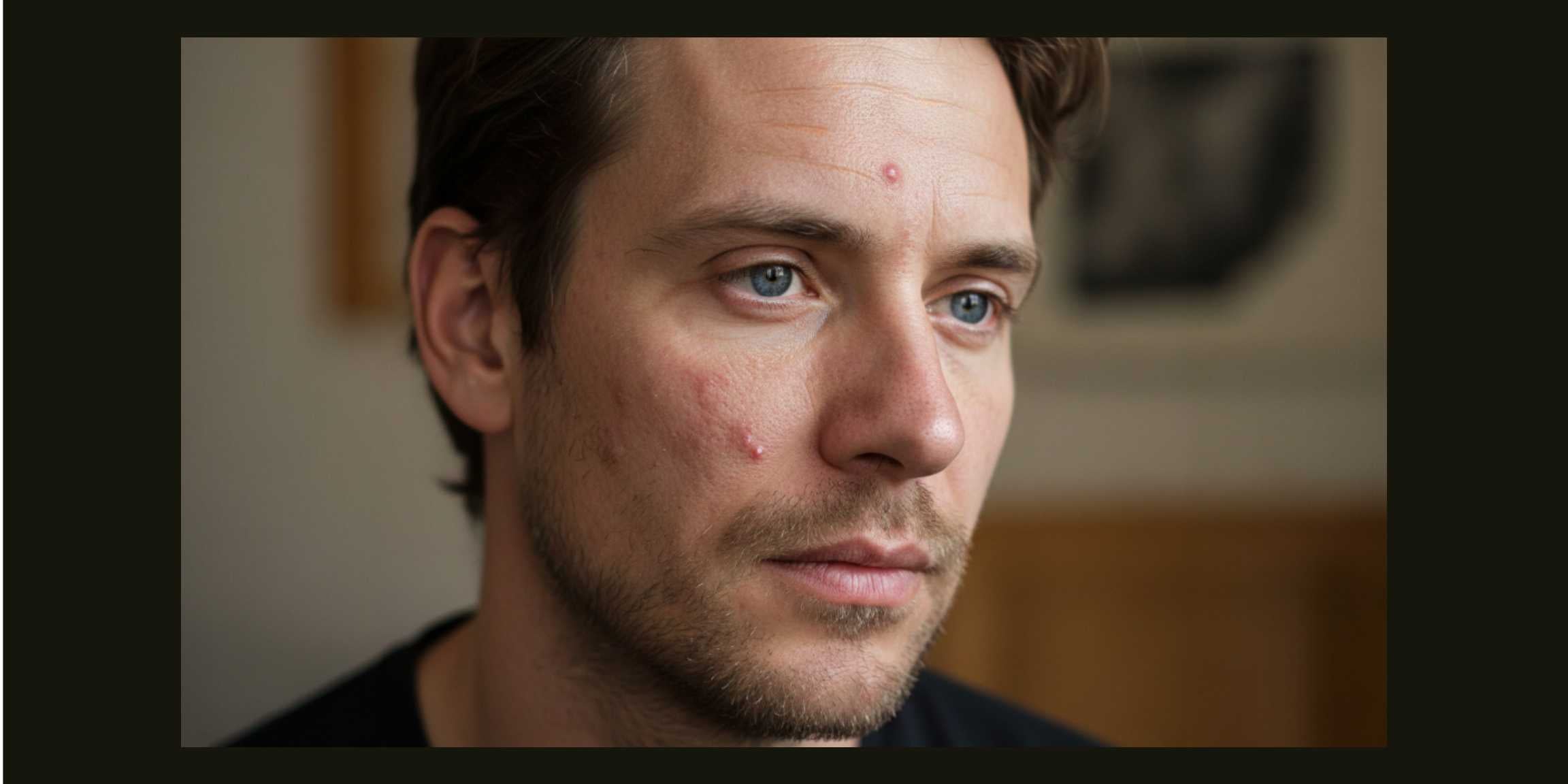
Acne on men’s skin is one of the most common skin concerns, not only in adolescence but also in adulthood. It’s common to see pimples, blackheads, clogged pores and shine when there is excess sebum and the skin becomes inflamed.
The good news: acne can improve visibly when you understand what’s behind it and follow a consistent, skin-respecting routine.
If you want a direct selection of products formulated for this concern, here is the collection: 👉 See products for male acne
Why does acne appear in men?
Acne usually appears due to a combination of factors. It’s not just “dirty skin”, and it won’t be solved simply by washing more.
1) Excess sebum and clogged pores
Men’s skin tends to produce more oil. If sebum mixes with dead skin cells, the pore becomes clogged and comedones (blackheads or whiteheads) appear.
2) Hormonal changes and stress
Hormonal acne can persist in adult men, and stress can intensify breakouts by increasing the skin’s reactivity.
3) Harsh products that weaken the skin barrier
Cleansers with strong sulfates or toners with alcohol can sensitize the skin and trigger more inflammation, making pimples look worse.
4) Frequent shaving and irritation
Shaving can cause micro-irritation. If the skin is already reactive, blemishes are more likely to appear.
Most common types of acne
Comedonal acne: blackheads and whiteheads.
Inflammatory acne: red pimples that are sensitive or painful.
Adult acne: persistent or recurring breakouts.
Stress breakouts: occasional flare-ups with inflammation.
The sooner you adopt the right strategy, the lower the risk of lingering visible marks.
Acne treatment: a step-by-step strategy
The goal isn’t to “dry out” the skin. The goal is balance: cleanse well, regulate sebum, soothe, hydrate with lightweight textures, and keep pores clear.
1️⃣ Gentle cleansing (morning and night)
Choose a cleanser with a balanced pH and no harsh sulfates to keep the skin barrier strong.
2️⃣ Sebum regulation without over-drying
Sebum-regulating actives help reduce shine and improve comfort, especially on oily skin that tends to break out.
3️⃣ Targeted treatment for pores and blemishes
A serum tailored to sensitive, blemish-prone skin can help improve texture and visible pores, and reduce recurring breakouts.
4️⃣ Lightweight hydration
Even if your skin is oily, hydration is key. If the skin becomes dehydrated, it can produce more sebum as a defense mechanism.
5️⃣ Controlled scrubbing (1–2 times a week)
Gentle scrubbing helps remove dead skin cells and keep pores clearer. The key is frequency (1–2 times/week) and gentleness.
Over-drying the skin (can trigger an oil rebound effect)
Exfoliating too aggressively (irritates and sensitizes)
Skipping hydration for fear of shine
Switching products every week (lack of consistency)
Using formulas that aren’t suitable for men’s skin
Can it be prevented?
In many cases, yes. Even if there’s a predisposition, a stable routine often reduces the frequency of breakouts and improves the overall look of the skin.
Consistent morning/night routine
Lightweight, non-heavy textures
Avoid harsh or heavily fragranced products
Manage stress and prioritize rest
FAQ – Frequently asked questions
Is it normal to have acne in adult men?
Yes. It’s common for breakouts to appear in adulthood, especially with oily skin, stress, or hormonal fluctuations.
How long does it take to improve?
With a consistent, well-suited routine, many people notice improvements within 3–6 weeks. Consistency is key.
Does oily skin need hydration?
Yes. Lightweight hydration helps maintain balance. Dehydrated skin can produce more sebum.
Does exfoliating make pimples worse?
If it’s done too aggressively or too often, yes. Gentle scrubbing 1–2 times a week can help keep pores clearer.
Acne on men’s skin is best addressed with a balanced strategy: gentle cleansing, sebum regulation, targeted treatment, lightweight hydration, and controlled exfoliation. With consistency, the skin’s appearance tends to improve progressively and sustainably.
The quality of natural skincare begins at its foundation. Emulsifiers are the invisible balance that brings water and oil together, shaping texture, stability and the experience on men’s skin. Disc...
Learn how to achieve irritation-free men’s shaving with natural products formulated for the skin of a man. A complete step-by-step routine to reduce redness and razor burn.




Leave a comment
This site is protected by hCaptcha and the hCaptcha Privacy Policy and Terms of Service apply.